
From Patchwork to Prevention: How Paving Contractors Ottawa Are Changing Driveway Care
Every spring, it's the same story. A homeowner steps outside, spots that hairline crack near the garage — the one they patched last September — and sighs. It's back. Bigger this time. Maybe with a friend or two nearby.
For years, this was just how driveway ownership worked. Patch it, ignore it, patch it again. But something's shifting. Paving contractors Ottawa are increasingly moving away from this reactive cycle and toward something smarter: prevention. Not because patching stopped working, exactly — but because homeowners got tired of paying for the same problem twice. Three times. Sometimes more.
Ottawa's climate doesn't make this easy. Freeze-thaw cycles aren't gentle here. They're relentless, expanding water in tiny cracks until those cracks become craters. So the question driveway owners are starting to ask driveway contractors isn't "how do I fix this" — it's "how do I stop fixing this."
Why Patchwork Never Really Worked
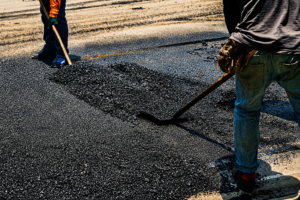
Here's the thing about surface patching: it treats the symptom, not the cause. A crack shows up. Someone fills it. Looks fine for a season, maybe two. Then it's back — often worse, often spreading.
The real issue usually sits below the surface. Base erosion. Poor drainage. Water finding its way under the asphalt and freezing, expanding, breaking things apart from the inside. Patch jobs don't touch any of that. They're a bandage on a structural problem.
And it adds up. Asphalt driveway cost isn't just about the upfront resurfacing bill — it's the slow bleed of repeated patch jobs that never actually solve anything. Homeowners often don't notice how much they've spent until they tally three years of "quick fixes" against the cost of doing it right the first time.
This used to be standard. Call paving contractors, get a patch, repeat next year. Not exactly a relationship — more like a transaction that kept happening.
What's Changed: The Shift Toward Prevention
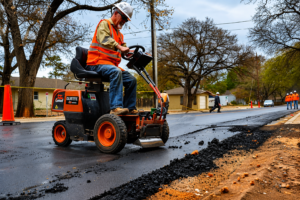
Something's different now. Driveway contractors near me searches used to return a list of patch-and-go services. Increasingly, they're turning up something else: paving companies that lead with diagnostics first, repairs second.
What does that mean in practice? Before any work happens, a contractor actually looks. Drainage patterns. Signs of base erosion. Where sealcoating has worn thin and where water's been pooling longer than it should. It's less "what's broken" and more "what's about to be."
This is also where asphalt maintenance services in Ottawa are being rebuilt from the ground up. Instead of waiting for an emergency call in March when the frost damage is already done, paving contractors Ottawa are scheduling maintenance around the seasons — particularly before the freeze-thaw window kicks in each fall. Timing isn't an afterthought anymore. It's the whole strategy.
What Prevention Actually Looks Like
So what does a prevention-first approach actually involve? A few things, typically working together rather than as one-off fixes.
Routine sealcoating sits at the center of it. Done on a consistent cycle — not just when a driveway looks faded — sealcoating protects the surface from water penetration long before cracking starts. It's cheap insurance against an expensive problem.
Drainage assessment matters just as much, maybe more. Water that doesn't drain properly pools, seeps, freezes, expands. A contractor who checks slope and drainage before winter is solving tomorrow's problem today.
Then there's the difference between early crack-sealing and reactive patching. Sealing a crack the moment it appears — while it's still small, still manageable — stops it from becoming the kind of damage that needs a full asphalt driveway section replaced.
And underneath all of it: base inspection. The foundation a driveway sits on determines how long the surface lasts, full stop. Homeowners searching for paving near me or driveway paving near me are starting to ask about this specifically — not just "can you fix the crack" but "why is the crack happening at all."
Why This Matters for Ottawa Homeowners Specifically
None of this is theoretical for Ottawa. The freeze-thaw cycle here is aggressive, and it doesn't forgive neglect. A driveway that gets ignored for two or three winters in a row tends to show it — badly, and all at once.
The financial logic is straightforward, too. Prevention costs less than replacement. Always. A sealcoat treatment or a drainage fix runs a fraction of what a full asphalt paving redo costs once the base has failed. Homeowners who've been burned by a surprise five-figure resurfacing bill tend to become believers in maintenance plans fairly quickly.
It's also why pavement companies near me are shifting how they market themselves. Less "call us when it breaks," more "let's build a plan so it doesn't." Maintenance contracts, seasonal check-ins, proactive scheduling — these are becoming the norm rather than the exception. And honestly, it benefits homeowners more than it benefits the paving contractors near me. Fewer emergencies. Fewer surprises. A driveway that just — lasts.
How to Choose a Contractor Who Thinks Prevention-First
Not every contractor has made this shift yet. So what should homeowners actually look for?
Start with the questions a contractor asks before quoting a price. Do they ask about drainage history? Do they want to know how the driveway has held up over past winters? A contractor focused on prevention will want context, not just measurements.
Ask whether they offer maintenance plans, not just one-time jobs. Ask if they explain the "why" behind a recommendation — not just "you need sealcoating" but "here's why your specific drainage pattern makes this urgent before fall." That distinction tends to separate driveway paving Ottawa contractors who are building long-term relationships from ones chasing single transactions.
An asphalt company that talks about base health and seasonal timing, unprompted, is usually one that's thinking past the next invoice. Black Tar has built its approach around exactly that — treating driveway care as an ongoing relationship shaped by Ottawa's climate, not a single job to check off the list.
Closing Thoughts
The shift from patchwork to prevention isn't just an industry trend — it's a recalibration of what driveway ownership should actually feel like. Less scrambling every spring. Fewer surprise bills. More confidence that the work being done today is actually solving something, not just delaying it.
For homeowners, that shift matters more than most places. The climate doesn't allow for shortcuts, and increasingly, neither do the paving contractors Ottawa built to handle it. Want to learn more about your driveway? Get in touch with our experts at Black Tar Construction now!
FAQs
1. Why does my driveway keep cracking in the same spot every year?
Usually it's not the surface that's the problem — it's what's underneath. Water gets into small cracks, freezes, expands, and reopens the same weak point each winter. Patching the surface without addressing drainage or base erosion just delays the next crack, it doesn't prevent it.
2. How often should an asphalt driveway be sealcoated?
Most driveways benefit from sealcoating every 2-3 years, though homes with heavier sun exposure or drainage issues may need it sooner.
3. Is prevention-based driveway maintenance actually cheaper than waiting for repairs?
In most cases, yes — significantly. A sealcoat treatment or drainage fix costs a fraction of a full resurfacing job. Homeowners who wait until visible damage shows up often end up paying for base repair and surface replacement together, which adds up fast.
4. What questions should I ask a paving contractor before hiring them?
Ask whether they assess drainage and base condition before quoting a repair, not just the visible crack. A contractor focused on prevention will explain why something's happening, not just offer to patch it.
5. What's the first sign that my driveway needs attention before winter?
Pooling water is usually the earliest warning sign — it means drainage isn't working the way it should, and that water has nowhere to go but down into the base.