
The Paving Contractors Checklist for a Longer-Lasting Driveway
A driveway on a quiet Ottawa street looked perfect for eighteen months. Smooth, black, edges crisp. Then came the second winter. Hairline cracks spread along the low side where water had been pooling since day one — nobody noticed until the freeze-thaw cycle did its work. By spring, what should've been a ten-year surface needed a full tear-out.
The contractor who poured the asphalt paving? Already onto the next job across town. No callback. No warranty that meant anything.
This happens more than most homeowners realize, and it's rarely bad luck. It's about what got skipped before any paving contactors ever showed up.
Why Driveways Fail Before They Should
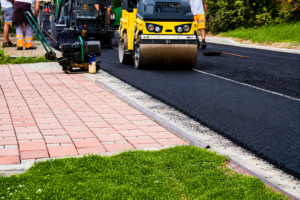
Most early paving near me failures trace back to three things: a thin or rushed base, poor drainage planning, and asphalt laid too thin to handle Ottawa's freeze-thaw punishment. None of this shows up the day the crew leaves. It shows up a year later, sometimes two — right around when the original contractor has stopped picking up the phone.
Asphalt driveway cost gets blamed for a lot of this. People assume a cheaper quote just means a smaller profit margin. Often it means less gravel base underneath, less compaction time, and a thinner asphalt mat than the asphalt driveway actually needs. The price gap is real. So is what's missing underneath it.
Vetting Before They Touch Your Lawn
Before any truck shows up, a few boxes need checking:
- Licensing and insurance — ask for proof, not a verbal assurance
- WSIB coverage for the crew on-site
- Local references, ideally driveways you can actually drive past
- A written estimate, itemized, not one round number
Typing paving contractors near me or driveway contractors near me into a search bar gets results fast. It doesn't tell you who'll still be answering calls three years from now.
Watch for the door-knocker pitch — "we've got leftover asphalt from a job down the street, can do yours today at half price." It's a known move in this industry, and the work behind it rarely holds up past one winter. A legitimate asphalt company can point to finished driveways nearby. Real addresses, not stock photos.
The Questions That Separate Pros From Pavers
A few questions before any contract gets signed tend to reveal everything.
How deep is the gravel base going? What's the compaction process — plate compactor, roller, both? How is drainage being handled, and what slope is planned for runoff? What's the asphalt mix, and how thick will it be poured? What does the warranty actually cover, and for how long?
Solid paving companies answer all of this without hesitation, and they explain the why behind each answer instead of reciting specs from memory. That kind of transparency is often a better signal than the quote itself. If a search for pavement companies near me turns up someone dodging these questions or rushing straight to a number, that's worth noting early.
What a Fair Asphalt Driveway Cost Actually Covers
A real quote from driveway contractors should break into parts: excavation and old surface removal, base material and depth, asphalt thickness and number of lifts, edge restraints, and any drainage work tying into the property's existing grade.
Asphalt driveway cost isn't one flat number per square foot. It shifts based on what's actually going into the ground. A homeowner comparing three quotes that vary by a few thousand dollars should ask what's different in the base — not just pick the cheapest one and hope. That gap is usually sitting right under the surface. Literally.
The lowest bid almost always means the thinnest base. Not a coincidence. It's the first place corners get cut, because nobody can see gravel depth once asphalt covers it.
Life After the Crew Leaves
Installation is the start, not the finish line. A driveway's real lifespan gets decided in the years after the install, not on install day itself.
Sealcoating within the first six to twelve months protects the surface against UV and moisture before it's fully cured. Crack filling before winter keeps small gaps from turning into frost-heave problems by spring. Even snow-clearing habits matter more than people expect — metal shovel edges and aggressive plow blades wear asphalt down faster than a full Ottawa winter does on its own.
This is where asphalt maintenance services in Ottawa earn their place in the budget. The gap between an asphalt driveway that lasts ten years and one that lasts twenty usually comes down to maintenance that actually gets scheduled and followed through on — not just the quality of the install.
The Checklist, Recapped
Before signing anything related to driveway paving near me:
- Confirm licensing, insurance, and WSIB coverage
- Ask for local references and drive past them
- Get an itemized written quote, not a lump sum
- Ask about base depth, compaction, drainage slope, and asphalt thickness
- Get warranty terms in writing
- Plan for sealcoating and crack filling after install
Homeowners weighing driveway paving Ottawa options can ask for this exact breakdown from Black Tar before committing to a quote. An itemized answer tends to say more about paving contactors than the number at the bottom of the page.
Frequently Asked Questions
How long should a properly installed asphalt driveway actually last?
With the right base depth and asphalt thickness, most driveways in Ottawa hold up for 15 to 20 years. Skip the base prep, though, and that number can drop to 5 or 6 — sometimes less if drainage was never addressed.
What really drives asphalt driveway costs up or down?
Base depth, drainage corrections, total driveway size, and how thick the asphalt gets poured all factor in. Excavation work for the existing surface plays a role too — a driveway being torn out and rebuilt costs more than one going onto fresh ground.
Is a lower quote ever worth taking?
Sometimes, but it's worth asking why the number is lower before assuming it's a deal. A missing line item for base material or drainage usually explains the gap — and that's the part that fails first.
How soon can a new driveway handle vehicle weight?
Light vehicle traffic is usually fine after 2 to 3 days. Full curing takes several weeks, so heavier vehicles — trucks, RVs, trailers — should hold off longer than most people expect.
Does sealcoating actually make a difference, or is it just upselling?
It matters more than most homeowners think. Sealcoating protects against UV breakdown and moisture penetration while the asphalt is still curing. Driveways that get sealed on schedule tend to outlast ones that don't by several years.