
The Weird Truth About Paving Contractors and Cracking Driveways
There's a specific kind of dread that hits when a homeowner spots the first crack cutting across their driveway. It starts small — a hairline near the edge, easy enough to brush off. Then spring rolls around and suddenly it looks like a road map got printed into the asphalt overnight. The phone comes out, someone searches driveway contractors near me, clicks on a few sites, picks whoever seems reasonably priced, and hopes it works out.
Sometimes it does. Plenty of times, that same driveway is cracking again before the following winter.
And here's what doesn't get said enough: those cracks usually aren't the actual problem. They're a symptom. A signal. When the wrong paving contractors show up and slap something over the surface without dealing with what's going on underneath, that signal doesn't go away — it just comes back louder next season.
It Was Never Really About the Asphalt
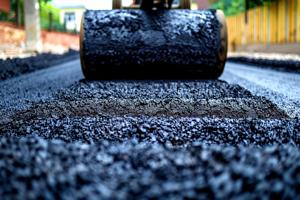
The default assumption is that cracking means the asphalt was low quality or poorly mixed. That happens, but it's not the usual culprit. More often, the real issue never even sees daylight — it's buried in the base layer beneath the surface.
Asphalt paving lives or dies by what's underneath it. When paving companies rush through or skip base preparation entirely — which happens more than it should — the surface above has nothing stable to hold onto. Water finds its way in. The ground underneath shifts. Ottawa winters come in hard with their freeze-thaw cycles, and the asphalt starts giving way even if the top layer looked perfectly fine when it was laid.
A few other things that don't help:
- Standing water with nowhere to drain, quietly eating at the base layer
- Asphalt laid too thin for the kind of traffic the driveway actually handles
- Years of sun oxidizing the binder until the material turns brittle
- Clay-heavy soil that swells and contracts with every season
The simplest way to picture it — painting over a wall that's still damp. Looks solid walking away from the job. Starts peeling before long.
The Stuff That Doesn't Always Come Up in the Sales Pitch
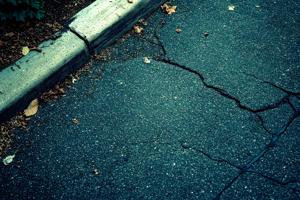
There's a version of driveway paving Ottawa homeowners know well. The crew shows up, lays something down, seals the surface, and it looks great for a few months. Then the cracks return — sometimes worse than before — because nothing structural was ever actually addressed. The job was cosmetic. The problem wasn't.
A few things worth knowing that don't always get volunteered:
Millings aren't the same as hot mix asphalt. Recycled millings have their place, but they're a different product. A homeowner paying for one and receiving the other has a right to know.
Sealcoating is maintenance, not medicine. A good sealcoat protects a driveway that's already structurally healthy. It doesn't fix one that's failing from the ground up. Some asphalt company crews lean on sealcoating as a solution when it's really just a delay.
The cheapest quote usually has something missing. Often that something is the base work — the part that actually determines how long everything holds up. Searching paving contractors near me and going straight for the lowest number is how people end up repaving the same driveway twice in five years.
Any driveway contractors worth hiring will walk through the process without being asked. If the explanation gets vague when the questions get specific — that's information too.
Cracks Actually Say Something If You Know How to Listen
Before calling pavement companies near me, it helps to know what kind of damage is actually there. Not all cracking points to the same problem.
Hairline cracks are mostly surface-level aging. They're manageable and respond well to asphalt maintenance services in Ottawa before they develop into something bigger.
Alligator cracking — the interlocking, scaly pattern — is a different situation entirely. That's base failure talking, and no amount of patching the top is going to fix what's happening several inches down.
Edge cracking along the sides of the driveway usually comes down to drainage issues or a sub-base that wasn't properly compacted during installation.
Longitudinal cracking running the length of the surface typically traces back to thermal stress or joints that weren't formed well to begin with.
Knowing which of these is present before calling paving near me changes the whole dynamic. It means the right questions get asked — and wrong answers become easier to spot.
What an Honest Job Actually Involves
Quality asphalt paving isn't complicated. It's just disciplined. It follows a sequence and doesn't look for places to skip ahead.
It starts with the ground — grading it, compacting the base, making sure drainage is built into the design and not left to chance. Then the asphalt goes down at the right depth for the actual use case. A residential driveway used by two cars has different requirements than one that sees heavier, more frequent loads. The hot mix gets laid at the proper temperature and compacted with the right equipment.
None of this is exotic. It's just the job done the way it's supposed to be done.
When people look at asphalt driveway cost and wonder why quotes vary so much, this is usually why. One number includes all of this. Another one doesn't — and that gap tends to show up eventually, right around year two or three when things start moving again.
Repair or Replace — Cutting Through the Confusion
Most Ottawa homeowners land on this question at some point:
Less than 25% surface damage with a base that's still solid — repairs and proper sealing can buy several more years without a full replacement.
More than 25% damage, or that alligator pattern showing up across large areas — replacement is almost always the more sensible investment when the full picture gets considered.
A driveway pushing past 20 years — even if it looks like it's holding on, a real assessment from experienced paving contractors is worth having before throwing repair money at it.
Picking the Right Crew Matters More Than the Price
When it's time to bring in driveway contractors, a few things make the difference between a job that holds and one that doesn't.
Worth trusting: a written quote that spells out materials and depth. A contractor who asks about drainage before the number gets discussed. Actual reviews from Ottawa homeowners. A warranty that means something.
Worth avoiding: door-to-door crews offering leftover asphalt. No written agreement. A quote for driveway paving near me that's dramatically lower than everything else without explanation. Any pressure to commit before having time to think.
The driveway takes more daily punishment than most surfaces on a property. It earns a proper fix from paving companies that will still be accountable six months later.
Black Tar Construction has been doing straightforward, reliable asphalt paving work across Ottawa for years. No runaround, no surprise findings after the job starts, no disappearing once the invoice is paid. If the driveway has been trying to say something — it might be time to actually deal with it.
FAQs
Why does my driveway keep cracking after repairs?
Usually because the problem is underneath. If the base isn't fixed, cracks often come back.
Should I repair my driveway or replace it?
Small, isolated damage can often be repaired. If cracks are everywhere or the driveway is over 20 years old, replacement may be the better option.
What should I expect from a good paving contractor?
Clear answers, a detailed quote, and an explanation of how the job will be done. No guessing and no vague promises.
Is sealcoating actually worth it?
Yes, if the driveway is in good shape. It helps protect the surface and can extend its lifespan.
Why are some paving quotes so much cheaper?
Lower prices often mean corners are being cut. Less prep work or lower-quality materials can lead to bigger repair bills later.