
How Paving Contractors Ottawa Build Weather-Resistant Driveways
Every October, Ottawa driveways brace for a fight they didn't sign up for. Frost creeps into hairline cracks. Snowplows scrape and gouge. By April, meltwater pools in low spots that weren't low spots last fall. And by July, the sun softens whatever's left standing. It's not really weather at this point — it's a siege.
Homeowners rarely notice the war until they're standing outside on a Saturday morning, coffee in hand, staring at a crack that definitely wasn't there last week. The question isn't whether Mother Nature will come for a driveway. She always does. The real question is who's got the better strategy: her relentless seasonal assault, or the paving contractors Ottawa homeowners actually hire to fight back.
Round One: Winter's Freeze-Thaw Assault
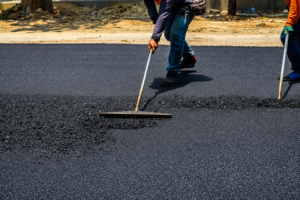
Ottawa doesn't do mild winters, and its driveways pay the price. Water seeps into tiny surface cracks, freezes, expands, and forces the pavement apart — then thaws, only to freeze again a few days later. Rinse and repeat for five months straight. This cycle, more than anything else, is why so many local driveways look ten years older than they are by their third winter.
Here's the part most homeowners don't realize: a driveway's ability to survive this isn't really about the top layer of asphalt at all. It's about what's underneath. Skilled driveway contractors build in proper drainage slope, adequate base depth, and compaction that gives water somewhere to go besides straight into the pavement's weak points. Generic, one-size-fits-all installation might look fine in September. It rarely survives February with its dignity intact.
This is where driveway paving Ottawa stops being a generic service and starts being a genuinely local skill set. Paving contractors who've only ever poured asphalt in a mild coastal climate are bringing a knife to a snowball fight.
Round Two: The Spring Thaw Sneak Attack
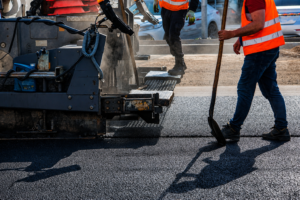
If winter is the dramatic villain, spring is the quiet one — and arguably more dangerous. Meltwater finds every crack winter left behind and works its way underneath the surface. Left alone, that moisture doesn't just sit there. It erodes the base, softens the subgrade, and sets the stage for potholes that seem to appear overnight.
This is the round most driveways lose, not because the damage is sudden, but because it's ignored. A crack that gets sealed in April is a non-event. The same crack, left through another freeze-thaw cycle, can turn into a structural problem by the following winter.
This is exactly why asphalt maintenance services in Ottawa exist as their own category, separate from installation. Sealcoating locks moisture out. Crack filling stops small issues from becoming expensive ones. It's unglamorous work, but it's arguably the single biggest factor in whether a driveway lasts eight years or twenty-five.
Round Three: Summer's Slow, Sneaky Damage
Winter gets all the attention, but summer plays its own quiet game. UV exposure and heat gradually break down the asphalt binder — the "glue" holding everything together — leading to oxidation, fading, and eventually rutting under the weight of vehicles parked in the same spot day after day.
Quality asphalt paving matters enormously here, and not in a way most homeowners think to check. The right mix design and proper compaction at the time of installation directly determine how well a surface holds up against heat stress years down the line. A driveway installed with shortcuts might look identical to a properly built one on day one. The difference shows up in year three.
An asphalt driveway isn't judged fairly in its first summer. It's judged in its fifth.
Choosing the Right Team for the Fight
So who actually wins this ongoing battle? Not every homeowner gets the same outcome, and that comes down almost entirely to who's doing the work.
Not all paving companies are built for Ottawa's specific climate demands, and the difference tends to show up exactly when it's least convenient — mid-January, or right after a heavy spring melt. When comparing options, a few things are worth checking before signing anything:
- Local, climate-specific experience. A contractor who's spent years dealing with Ottawa's freeze-thaw cycles will design differently than one who hasn't.
- Drainage planning, not just surface paving. Where does water go when it rains? If there's no clear answer, that's a red flag.
- Transparent, itemized quotes. Asphalt driveway cost varies based on base prep, drainage work, and material thickness — a lowball number often means shortcuts somewhere underneath.
- Warranty on workmanship, not just materials.
When searching for help, most homeowners type in some version of driveway contractors near me, paving contractors near me, pavement companies near me, or paving near me — practical, straightforward searches for a practical, straightforward problem. The trick isn't finding a contractor. It's finding one whose work is actually built for what Ottawa throws at it every single year.
Where Black Tar Fits Into the Scenario
Ottawa-based Black Tar Construction has spent years building driveways specifically engineered around this city's punishing seasonal swings — proper base depth, drainage that actually works, and installation methods tested against real Ottawa winters, not theoretical ones. It's the difference between a driveway that limps through one rough season and one that shrugs off twenty of them.
For homeowners comparing driveway paving near me options, a quick consultation with a team that understands local freeze-thaw patterns tends to save far more money over time than it costs upfront.
The Final Round
Mother Nature isn't going anywhere. She'll keep freezing, thawing, flooding, and baking Ottawa driveways for as long as there are driveways to torment. But with the right asphalt company behind the build — proper drainage, solid base work, and regular maintenance — homeowners don't have to keep losing this fight year after year.
The driveway doesn't need to win every round. It just needs a team in its corner that knows how to fight back.
FAQs
How much does an asphalt driveway cost in Ottawa?
There's no single number here — it comes down to the size of the driveway, how much base prep is needed, drainage, and how thick the asphalt goes down. Two quotes for the same driveway can look pretty different, usually because one contractor is planning to do more groundwork before paving even starts. That costs more now, but it's usually the reason a driveway doesn't need repairs three years in.
How often should an asphalt driveway be sealed?
Every two to three years tends to be the sweet spot for most Ottawa driveways. Sealing is really about keeping moisture out during the freeze-thaw months, since that's usually what determines how long the asphalt actually lasts.
Why do driveways crack so much in Ottawa specifically?
Blame the winters. The freeze-thaw cycle here means water gets into tiny cracks, freezes and expands, thaws a few days later, then does it again — over and over through the season. Each round widens whatever weak spot was already there, even ones you couldn't see at first.
What should homeowners look for when hiring driveway contractors?
Someone with actual local experience, a real plan for drainage, a quote that breaks down the costs instead of just handing you a total, and a warranty on the work. Contractors who haven't dealt with Ottawa winters before might not build for what this climate actually demands.
How long does a properly installed asphalt driveway last?
Done right, with some upkeep along the way, 20 to 25 years isn't unusual. Cut corners on the base or rush the compaction, though, and that number drops fast — especially once a few rough winters get involved.