
The Lifecycle of Asphalt Paving: From Installation to Resurfacing
Every pavement has a story. Drive through any neighborhood early in the morning. Sunlight hits the pavement first. It reveals everything. Smooth finishes. Faded patches. Hairline cracks. Tire marks that tell quiet stories.
An asphalt paving project may look simple from above. Black surface. Clean edges. Done.But beneath that surface is a lifecycle. It begins long before installation day. And if handled properly, it can last decades. If ignored, it can fail in years.
At Black Tar, we’ve seen both. The well-planned driveway that still looks sharp after 18 winters. And the rushed job that crumbled by year six.
Let’s walk through the real journey of pavement — from the first Google search to resurfacing day.
Phase One: The Search Before the Surface
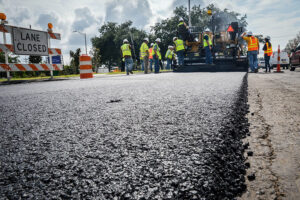
It usually starts with frustration. Cracks spreading like spiderwebs. Water pooling near the garage. Chunks breaking loose after winter.
Then comes the searches like driveway contractors near me, paving contractors near me, or even pavement companies near me.
But here’s the truth. The lifecycle of asphalt paving doesn’t begin with asphalt. It begins with choosing the right people.
A reliable asphalt company won’t just talk about price. They’ll ask about drainage. Soil conditions. Traffic loads. Long-term maintenance.
Because good pavement is planned — not poured.
Phase Two: The Groundwork Nobody Sees
Here’s something most homeowners don’t realize. The most important part of your asphalt driveway is underground.
Before hot mix ever arrives, professionals:
- Excavate unstable soil
- Grade for proper slope
- Install and compact aggregate base
- Ensure water drains away from structures
If this step is rushed, the surface will fail. It’s not a matter of if. It’s when.
In regions like driveway paving Ottawa, freeze-thaw cycles punish weak foundations. Water seeps in. Ice expands. The base shifts. Cracks appear.
When clients ask us at Black Tar why some driveways last twice as long, this is usually the answer. Base preparation.
Phase Three: Installation Day — Controlled Chaos
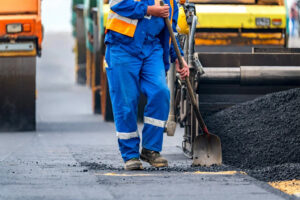
Installation day feels dramatic. Trucks rumble in. Steam rises. Crews move with urgency. Rollers glide back and forth with precision.
But what looks chaotic is actually choreography. Proper asphalt paving involves:
- Applying a binder layer
- Laying the surface course
- Compacting at optimal temperature
- Finishing edges for structural integrity
Timing is critical. Asphalt cools fast. If compaction happens too late, strength suffers.
Experienced paving contractors understand that installation is a narrow window of perfection. And when done right, the result looks effortless.
Phase Four: The Quiet Curing Period
Fresh pavement looks finished. But it’s still young. During the first 6–12 months, oils in the asphalt slowly evaporate. The surface hardens. Strength increases.
Heavy trucks parked too soon can leave depressions. Sharp turns can scar the surface.
This is when homeowners often forget that asphalt paving is still maturing. A responsible contractor explains this stage. They guide you on timing for sealcoating. They protect your long-term investment.
Phase Five: The Golden Years
For several years, your asphalt driveway performs beautifully. It handles heat. It flexes during winter. It enhances curb appeal.
This is the stage where most property owners relax. But smart owners think ahead.
Routine care from asphalt maintenance services in Ottawa can extend pavement life dramatically. Preventive maintenance includes:
- Crack sealing
- Sealcoating every few years
- Minor patch repairs
- Drainage adjustments
Ignoring small cracks allows water to penetrate. And water is pavement’s greatest enemy. A small crack today can become a major repair next winter.
Phase Six: Stress, Weather, and Wear
Time changes on the pavement. UV rays oxidize the surface. Heavy vehicles create pressure points. Winter expands hidden moisture.
In high-traffic driveways, tire paths begin to fade. Edges may weaken. Small cracks multiply. This is often when people start searching for paving near me again. But here’s the key question. Is it surface wear — or structural damage? Not all aging pavement needs replacement.
Phase Seven: Repair or Resurface?
This is where lifecycle thinking saves money. If the base remains solid, resurfacing may restore your driveway at a fraction of full reconstruction costs. Resurfacing involves:
- Milling the damaged top layer
- Applying a fresh asphalt overlay
- Compacting to restore smoothness
When done correctly, resurfacing extends the life of asphalt paving by another 8–15 years.
However, if the base has failed, resurfacing becomes temporary. Structural issues require full removal and rebuild. This is where experience matters. Not every crew advertising driveway paving near me evaluates structural integrity properly. A trusted team diagnoses before prescribing.
Phase Eight: Full Reconstruction — The Reset
Eventually, every pavement reaches the end of its lifecycle. Deep potholes. Base erosion. Drainage collapse.
At this point, full reconstruction becomes necessary. The old pavement is removed. The base is rebuilt. New asphalt is installed.
Yes, the asphalt driveway cost is higher at this stage. But when done correctly, it resets the clock for 15–25 years. Reconstruction isn’t failure. It’s renewal.
The Financial Journey of Asphalt
Over 20 years, the typical pavement lifecycle includes:
- Initial installation
- 1–2 sealcoating cycles
- Crack repairs
- Possible resurfacing
- Eventual reconstruction
The biggest financial mistake? Skipping maintenance. Neglect turns minor repairs into major rebuilds. Proactive care costs far less than reactive replacement.
Why Reputation Lives in Pavement
We rarely think about pavement emotionally. But first impressions happen at ground level. Clients notice cracked parking lots. Buyers notice faded driveways. Tenants notice potholes. A smooth surface signals professionalism. A damaged one suggests neglect. Your pavement quietly speaks about your property long before you do.
Why Black Tar Takes a Lifecycle Approach
At Black Tar, we don’t treat asphalt paving as a one-day job. We treat it as a long-term partnership. From proper base preparation to routine maintenance plans, our goal is simple. Build pavement that lasts.
Whether you’re comparing paving companies, searching for reliable driveway contractors, or planning large-scale driveway paving Ottawa projects, experience matters. We focus on structure. Drainage. Compaction. Longevity. Because strong pavement is engineered, not improvised.
Final Takeaway: Pavement Is a Living System
Every driveway begins with hope. Clean lines. Fresh surface. Smooth finish. But pavement lives through seasons. It faces heat, ice, pressure, and time.
When you understand the lifecycle of asphalt paving, you stop reacting to damage. You start planning for durability. If your surface is cracking, fading, or simply aging, now is the right time to act.
Don’t wait for minor issues to become major expenses. Contact Black Tar Construction today for a professional assessment. Whether you need maintenance, resurfacing, or full installation, we’ll guide you through every phase — from installation to renewal.
FAQs
- How long will my asphalt driveway actually last?
If it’s installed properly and looked after, asphalt paving can last 15 to 25 years. - How can I tell if I need resurfacing or a full replacement?
If your driveway looks worn but feels solid underfoot, resurfacing might do the trick. But if you notice sinking spots, deep cracks, or water pooling, the foundation may be compromised. That’s when replacement makes more sense long term. - Why does asphalt driveway cost vary so much?
Because no two properties are the same. The asphalt cost depends on size, slope, soil condition, thickness, and access for equipment. A cheaper quote often means shortcuts somewhere — usually in the base layer. - When should I sealcoat or maintain my asphalt driveway?
A good rule of thumb is every 2–3 years. Don’t wait until it looks rough. Small cracks are easy to fix early. Left alone, they grow fast — especially after winter. - What should I look for when hiring paving contractors near me?
Don’t just compare prices, pay attention to how they explain the process. Do they talk about drainage? Base preparation? Long-term care? The right contractor thinks beyond installation day.