
Surviving the Heat: How Paving Contractors Build for Extreme Summers
Summer has a way of calling things out. You start noticing the small stuff first. Paint doesn’t look as fresh. Caulking starts to split. The AC feels like it’s working overtime. And then there’s the driveway.
Heat does a number on asphalt. It’s one of the biggest reasons driveways wear down, but most people don’t think about it until it’s already happening. The frustrating part is how much of it could’ve been avoided.
The difference between a driveway that starts falling apart after a couple of summers and one that still looks solid years later usually comes down to what happened at the start. The materials. The timing. The prep work under the surface. And honestly, the paving contractors you went with.
The good ones think about heat from day one. Not later. Not when problems show up. Right from the beginning, they’re building with summer in mind.
What Heat Actually Does to Pavement
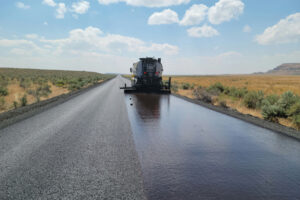
Asphalt is flexible by design. That's not a flaw — it's the whole point. Unlike concrete, which resists movement and eventually cracks because of it, asphalt is meant to shift slightly with temperature and load. The problem starts when temperatures push it past what the mix was designed to handle.
On a hot summer day, pavement surface temperatures can easily hit 50°C or more — well above the ambient air temperature. At those temperatures, the binder that holds everything together starts to soften. And a soft binder means trouble. Tires leave ruts. Edges shove and displace. The surface can start to bleed, where the binder works its way up and creates a slick, oily film that's genuinely dangerous when wet.
For homeowners in Ottawa, there's an added layer of complexity. The climate here is extreme in both directions — summers that get brutally hot, winters that drop to -30°C, and a freeze-thaw cycle in between that works on pavement like a stress test that never ends. A poorly installed asphalt driveway doesn't just struggle in the summer — it enters each warm season already compromised from what winter left behind.
That context matters when choosing an asphalt company. Local experience isn't a marketing line. It's actually relevant.
How the Best Contractors Approach Summer Builds
Walk onto a job site run by a crew that knows what they're doing, and the difference is visible — in the equipment, the prep work, the timing, and the conversation happening between the workers. Here's what that looks like in practice.
The Mix Is Chosen for the Climate, Not the Budget
The binder in asphalt isn't a one-size-fits-all material. It's graded — specifically, by the temperature range it can handle before softening or cracking. Better paving companies specify a Performance Grade binder that matches the local climate, choosing a rating that resists summer softening without becoming brittle when winter hits.
The cheaper approach is to use whatever's most available. It saves money on day one and costs significantly more down the road. When getting quotes from driveway contractors, it's worth asking directly what binder grade they're using and whether it's appropriate for Ottawa summers. A contractor who can't answer that question is telling you something important.
Timing the Pour Around the Temperature
Asphalt has a workable temperature window — a range in which it can be properly laid and compacted before it cools too quickly or softens too much. In extreme summer heat, that window shifts. Smart pavement companies near me adjust their schedules accordingly, starting early in the morning to avoid pouring during peak afternoon temperatures.
It's the kind of operational detail that doesn't show up in a quote but shows up in the finished product ten years later.
The Base Is Where the Real Work Happens
Surface problems almost always trace back to what's underneath. A properly built granular base — compacted, graded, and laid to the right depth — is what keeps a driveway stable through years of temperature swings and vehicle load. It distributes stress evenly, prevents settling, and ensures that surface heat doesn't become structural movement.
This is where driveway contractors near me who cut corners show their hand. A thin or improperly compacted base is invisible once the asphalt goes down. You won't know it's wrong until the surface starts cracking, rutting, or sinking in spots — typically within the first few summers.
Quality driveway paving near me prioritizes the base even when clients don't ask about it, because the crew understands that everything sitting on top of it is only as good as what's below.
Drainage Gets Designed In, Not Figured Out Later
Water and heat together are a fast track to pavement failure. When water pools on a surface that's been repeatedly baked by the sun, the deterioration cycle accelerates quickly. Experienced paving contractors near me grade every surface to move water away from the pavement — not just off it, but away from the edges and away from the structure below.
Edges Are Finished, Not Just Left
The edges and joints of an asphalt surface absorb more heat per unit of mass than the field of the pavement. They also take more mechanical stress from vehicle overrun and ground movement. Contractors who finish edges properly — tapering, sealing, compacting right to the boundary — produce driveways that age evenly. Those who don't leave visible evidence of it within a few seasons.
What Happens After Installation Matters Too
The install is only part of the story. Asphalt maintenance services in Ottawa exist because even a well-built driveway needs regular attention to reach its full lifespan.
Crack sealing before summer is one of the most cost-effective things a property owner can do. Small cracks are just entry points for heat expansion, water infiltration, and freeze-thaw damage. Catching them early is cheap. Ignoring them until they connect and spread is not.
Sealcoating every two to three years gives the asphalt driveway a protective layer against UV oxidation, fuel spills, and surface wear. It's what keeps pavement looking newer longer — and more importantly, what slows the aging process in the layers beneath the surface. When you consider the asphalt driveway cost of full replacement, regular sealing is one of the most straightforward investments a homeowner can make.
Small habits matter too. Parking in the same spot day after day during peak heat concentrates load on the same softened area repeatedly. Rotating parking positions during the hottest stretches of summer is a simple thing that quietly extends pavement life.
Finding the Right Crew for the Job
When searching paving near me or driveway paving Ottawa, the volume of options can feel overwhelming. The quality gap between contractors is real, and it isn't always obvious from a website or a quote.
The paving contractors worth hiring are the ones who talk about base depth, binder grade, and drainage before you ask. Who have done enough work in the local climate to understand what Ottawa pavement actually goes through.
The ones to avoid are usually identifiable by what they don't say — no mention of the base, no discussion of materials, no explanation of why their process holds up better than the next crew's.
Asphalt paving done well isn't magic. It's material science applied carefully, by people who take the work seriously.
Build It Right the First Time
A driveway that fails in the summer heat isn't a climate problem. It's a construction problem — one that starts with the wrong choices during planning and installation. The heat just reveals it.
At Black Tar Construction, that's the standard every project is held to. As experienced paving contractors serving Ottawa and the surrounding region, our team brings genuine local knowledge to every job — from material selection to base preparation to the finishing details that protect a driveway through every season it faces. Asphalt paving, new installations, and asphalt maintenance services in Ottawa — done the way it should be done. Get in touch with us today for a free quote!
FAQs
1. Why does my asphalt driveway get soft in summer?
Honestly, it’s just the heat. When it gets really hot, the surface softens. If the asphalt mix wasn’t right from the start, it can’t hold up under cars and starts to dip or form ruts.
2. Does it really matter which contractor I hire?
Yes. Two driveways can look identical at first, but one holds up for years and the other starts breaking down way too soon. The difference is usually in the stuff you don’t see.
3. How often should I maintain it?
Whenever you see a crack, deal with it early. Small fixes are easy. Waiting just makes it worse.
4. Is Ottawa’s climate really that hard on driveways?
It is. The hot summers, freezing winters, and everything in between put a lot of stress on the surface. It adds up over time.
5. What should I ask before hiring someone?
Ask simple questions like what materials they use, how they prep the base, and how they handle drainage.